
The Sensory Processing Suite
Have you heard the term "sensory processing" and wondered what it's all about and why it matters?
Are you supporting children who are "struggling"? Maybe they are displaying aggressive behaviours, or finding it difficult to cope with change, or they bounce from one thing to another, or they are having difficulty with their motor skills. When we can look beyond what we see on the outside and begin to look at the sensory implications, a whole new story may begin to emerge, and our way of supporting these children will evolve too.
This suite is made up of four courses, developed and delivered by occupational therapist, Bonnie Berry. Bonnie is an occupational therapist with years of experience working with educators and early childhood services to support children. Not only does Bonnie know her stuff - she understands play. Bonnie knows the value of unstructured play and her work truly reflects this.
Throughout each of the four courses included in this suite, Bonnie discusses the links between Best Practice in Early Childhood Intervention and the National Quality Framework to guide educators in developing Family Centered, culturally responsible practice.
What will you learn?
So many educators will be familiar with the term "sensory processing' but may not be comfortable with what that actually means.
You will finish this suite of courses with an overwhelming amount of new knowledge regarding sensory processing and why it is so important in our work with children.
This suite is made up of four courses, developed and delivered by occupational therapist, Bonnie Berry. These courses include:
- Why Sensory Processing: In this course, occupational therapist, Bonnie Berry, introduces educators to the importance of Sensory Processing in supporting children who appear to be struggling with challenging behaviours or developing their motor skills.
- What is Sensory Processing: In this course, Bonnie delves deeper into the concept and creates a better understanding for educators - unpacking the what sensory processing actually is!
- The 8 Sensory Systems: In this third course, Bonnie consolidates her knowledge of the concept and identifies strategies to promote better understanding for educators - identifying the systems which facilitate sensory processing!
- Partnerships with Families: In this fourth course, Bonnie discusses the links between Best Practice in Early Childhood Intervention and the National Quality Framework to guide educators in developing Family Centered, culturally responsible practice - supporting educators to support families of children with disability, developmental delay, or difficulties!
What you need to know
This offer includes access for 1 participant to the course. If you would like to register 5+ educators, or your entire team - please contact us to make these arrangements.
Some key points for your registration:
- In order to receive important information about your course, you may need to be subscribed to our mailing list.
- Please use the participant's full name when registering, as this is will be what is displayed on the certificate.
Upon completion of your registration, you will receive:
- An email with a link to your account, enabling you to immediately access the course.
- A welcome email from our team.
If you are not receiving emails from us, please check your spam folder.
Frequently Asked Questions
- Don't know your password? Send yourself a recovery email HERE.
- Don't know where to find your courses? View your Course Library HERE.
If you have questions at any time, please contact us at onlinecourses@inspiredec.com
Who is this course suited for?
Why Sensory Processing?
In this first course, Bonnie introduces educators to the importance of Sensory Processing. You will learn:
- What is the PEO model of Occupational Therapy: Bonnie shares insight into the PEO (Person, Environment, Occupation) model of occupational therapy, supporting you to understand these and how they may apply in your work with children.
- Concepts such as "arousal regulation": Using detailed diagrams and support information, Bonnie unpacks some of those tricky terms, supporting educators to understand what this looks like in practice.
- Simple considerations for our environment: Bonnie will prompt you to think about how your environment, and your practice within it, impacts the sensory processing and regulation of the people in it!
This course is delivered as a 1-hour video recording, with handouts prepared by Bonnie which you can download and print for your own use.
What is Sensory Processing?
In this second course, Bonnie delves deeper into the concept of Sensory Processing and creates a better understanding for educators. You will learn:
- The connection between sensory input and output: Bonnie shares insight into how we receive information, process it, and then- what we do with it!
- Learn in more detail about "arousal regulation": Using detailed diagrams and support information, as well as some great reflective questions, Bonnie explores concepts such as arousal regulation and sensory modulation.
- What "sensory processing disorders" may include: Gain a deeper understanding of the types of disorders which may fit under this broad heading.
This course is delivered as a 1-hour video recording, with handouts prepared by Bonnie which you can download and print for your own use.
The 8 Sensory Systems
In this third course, Bonnie identifies the systems which facilitate sensory processing, and identifies strategies to promote better understanding for educators. You will learn:
- An understanding of sensory integration: Bonnie shares insight into how we receive information, process it, and how this might be affected by sensory processing disorders.
- The 8 Sensory Systems: Using detailed explanations and support visuals, as well as some great reflective questions, Bonnie explores the integration of different sensory systems.
- How to support sensory processing in learning environments: Gain a deeper understanding of the types of challenges in supporting children's sensory processing in learning.
This course is delivered as a 90-minute video recording, with handouts prepared by Bonnie which you can download and print for your own use.

Partnerships with Families
In this third course, Bonnie discusses strategies to support educators to support families of children with disability, developmental delay, or difficulties. You will learn:
- An understanding of family centered practices: Bonnie shares insight into how family life plays a central role in planning intervention of their children's health and behaviour.
- Understand the National Quality Standard: Using detailed explanations and support visuals, Bonnie explores the parallels between best practice and the National Quality Standards.
- Strength-Based Straight Talk: Gain a deeper understanding of the best ways to approach difficult conversations with families and children.
This course is delivered as a 1-hour video recording, with handouts prepared by Bonnie which you can download and print for your own use.
Check out what's on the Inspired EC Blog
Why is Sensory Processing such an important topic for Early Childhood Educators? Understanding and making sense of the role of the senses in children's play is vital to creating opportunities and environments where children's natural instincts are nurtured and they develop physically, emotionally and cognitively.
4 Ways to Support Barefoot Play
by Nicole Halton October 29, 2021
I spend a lot of time barefoot. I am barefoot indoors, I am barefoot outdoors, and I prefer to drive with barefeet. This explains how one morning...
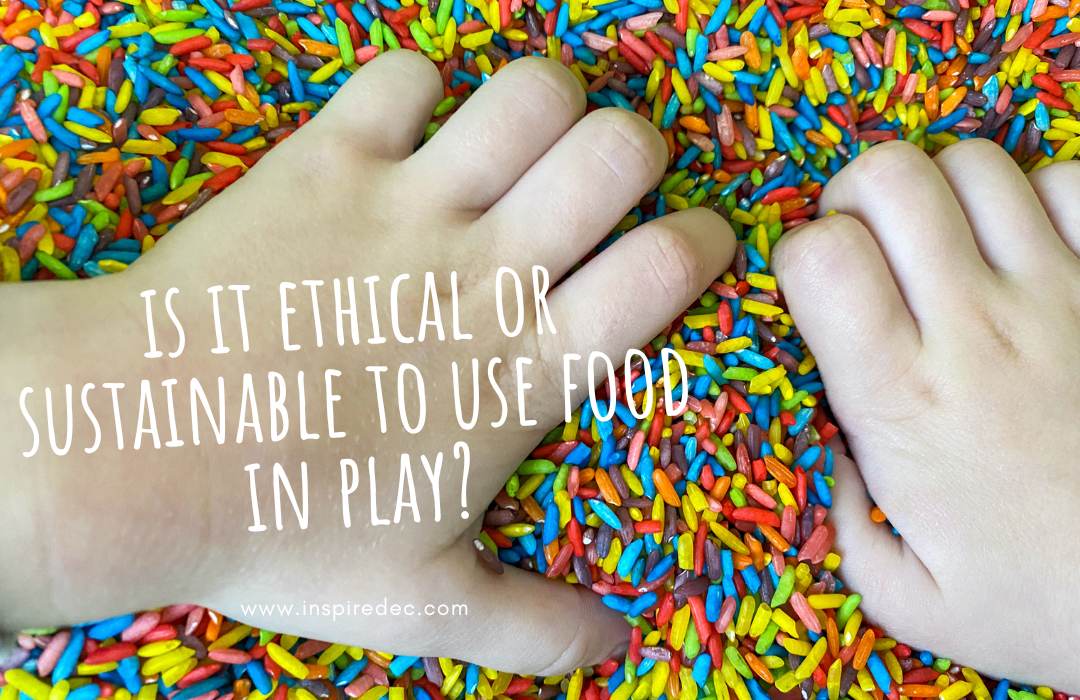
Is it ethical or sustainable to use food in play?
by Nicole Halton September 14, 2023
If, like me, you are a child of the 80's, there's a very strong chance that you engaged in the fine art of potato printing and pasta necklace creation during your preschool years....
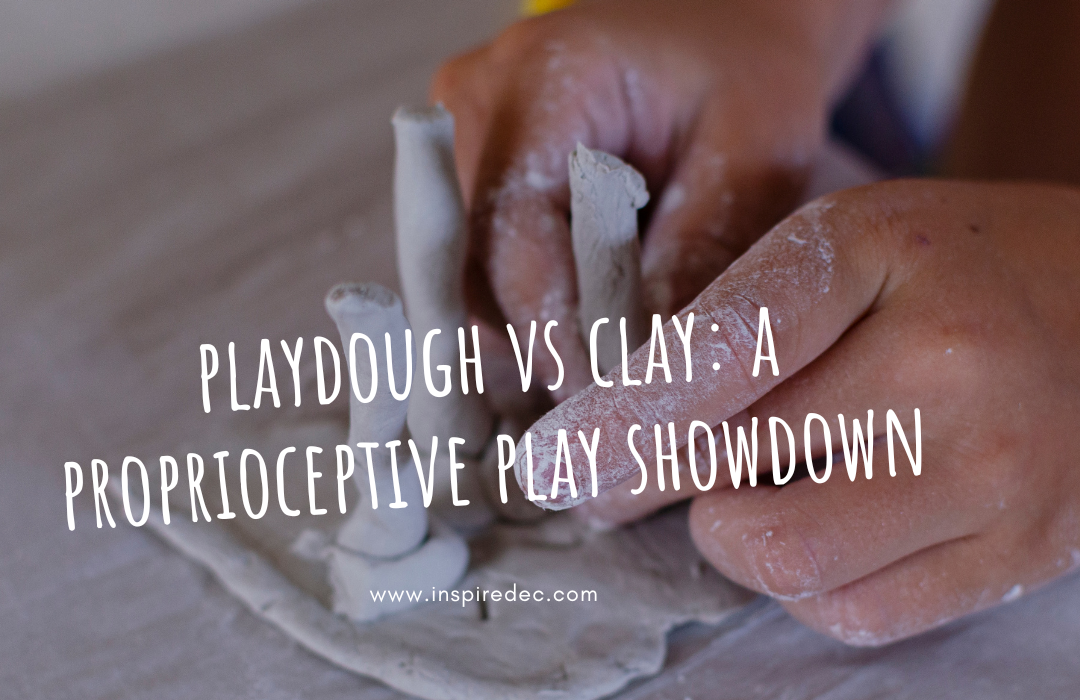
Playdough vs Clay: A proprioceptive play showdown
by Nicole Halton February 13, 2025
When we think about the resources that we use with children, it's important to consider the "why". Why do we choose some materials or resources over others?